When planning to upgrade a manufacturing workshop or invest in metal fabrication equipment, the first question business owners and procurement engineers ask is: "How much does a laser cutter actually cost?"
The short answer is that laser cutting machines range anywhere from $2,000 for small desktop units to over $250,000 for heavy-duty, high-power CNC industrial fiber laser systems.
Because laser cutting technology encompasses different laser sources, power levels, bed dimensions, and automation capabilities, machine pricing depends strictly on your production requirements. This comprehensive guide breaks down actual cost brackets, key factors that influence machine prices, hidden operational expenses, and how to calculate return on investment (ROI).
The market for laser cutters is divided into four primary tiers based on technology, power capacity, and intended application:
| Machine Category | Typical Laser Power | Primary Materials | Estimated Price Range (USD) |
| Desktop / Hobbyist Diode & CO2 | 10W – 150W | Wood, acrylic, leather, plastic (non-metal) | $500 – $6,000 |
| Small Commercial CO2 Flatbed | 100W – 300W | Acrylic, thick wood, rubber, thin sheet metal | $8,000 – $25,000 |
| Industrial Fiber Laser Sheet Cutter | 1.5kW – 12kW+ | Carbon steel, stainless steel, aluminum, brass | $20,000 – $100,000+ |
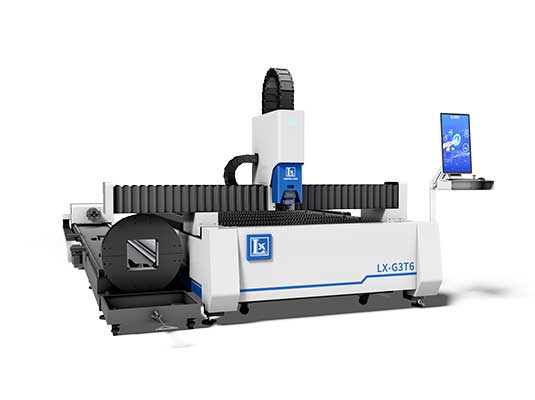
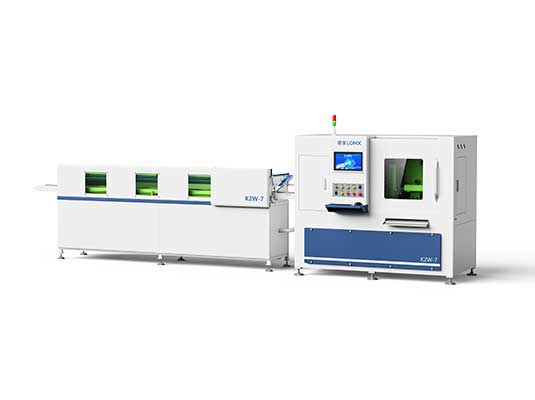
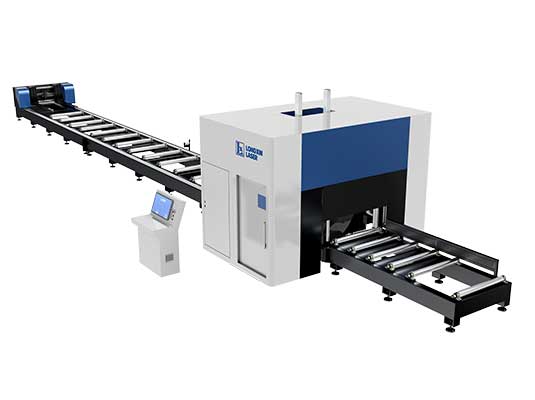
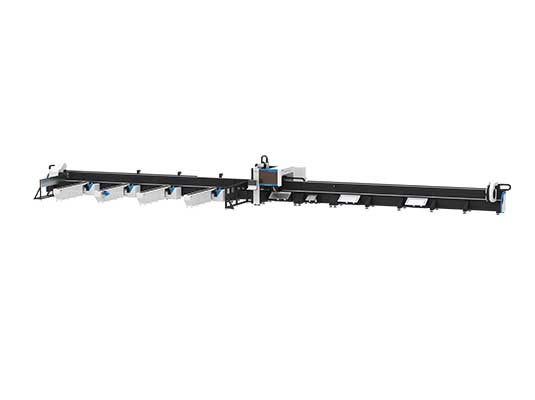
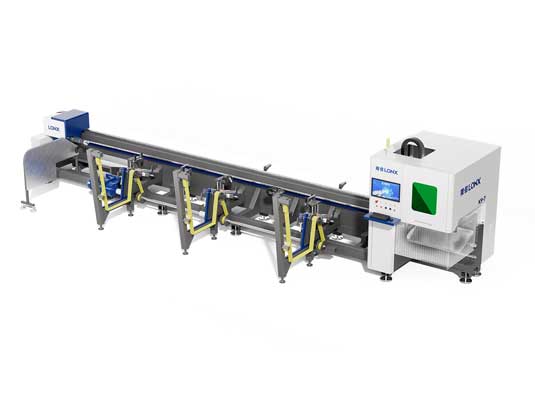
| CNC Fiber Laser Tube Cutter | 1.5kW – 12kW+ | Round/square tubes, structural channels, beams | $35,000 – $180,000+ |
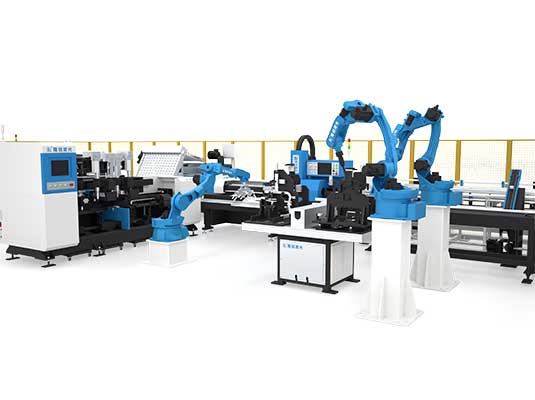
| Ultra-High Power / Automated Lines | 15kW – 30kW+ | Heavy structural plate, 24/7 automated bundle loading | $120,000 – $350,000+ |
For commercial metal fabrication, fiber laser cutting machines represent the primary investment choice due to their superior cutting speed, high electrical efficiency, and minimal maintenance overhead.
Industrial fiber laser machines fall into two main machine formats: Sheet Metal Laser Cutters and CNC Tube & Pipe Laser Cutters.
Flat-sheet cutters are engineered to process flat plate materials. Pricing scales primarily with laser source wattage and table bed size:
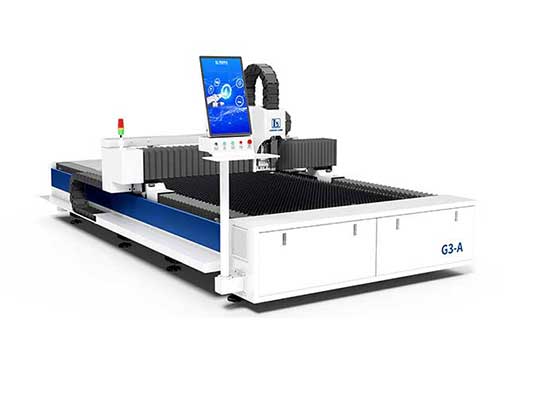
Entry-Level Single Table (1.5kW – 3kW / 3015 Format): Typically priced between $20,000 and $38,000. Ideal for job shops processing sheet thicknesses up to 6mm to 10mm.
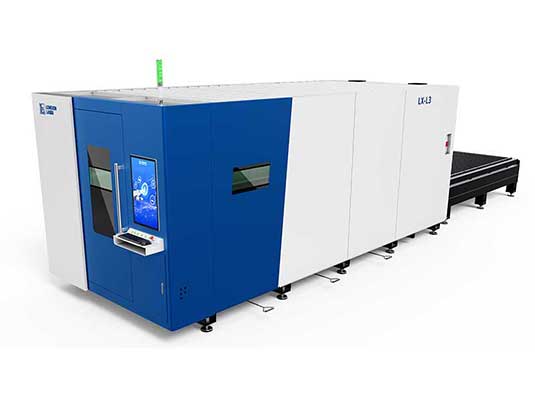
Dual Exchange Table with Full Enclosure (3kW – 6kW / 3015 or 4020 Format): Ranges from $35,000 to $65,000. The automated shuttle table allows operators to load raw sheets while cutting proceeds, boosting overall throughput.
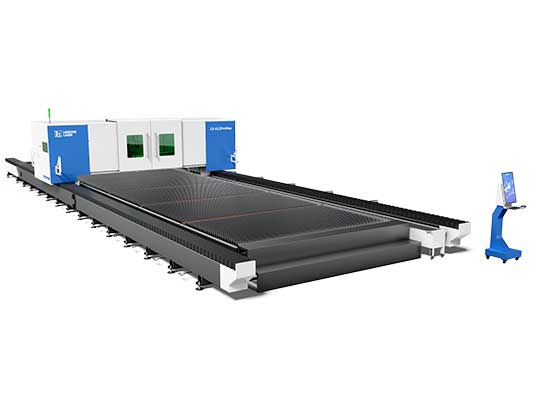
High-Power Heavy-Plate Cutters (12kW – 20kW+): Range from $75,000 to $130,000+. Engineered for high-speed piercing of thick carbon steel (20mm–50mm) and continuous heavy industrial manufacturing.
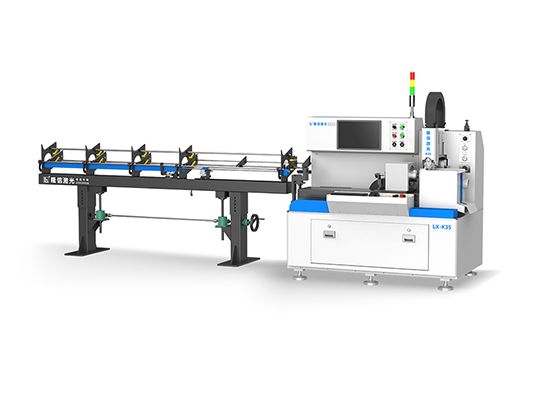
Tube laser cutting machines utilize synchronized rotating chucks rather than flat tables to process round, square, rectangular, and open profiles (channels, angles):
Standard 2-Chuck Compact Tube Laser (1.5kW – 3kW / up to 160mm–220mm OD): Priced between $35,000 and $55,000. Widely used for furniture, fitness equipment, and automotive exhaust piping.
Heavy-Duty 3-Chuck Zero-Tailing Tube Laser (3kW – 6kW / up to 220mm–350mm OD): Ranges from $55,000 to $95,000. The 3-chuck configuration holds and steps through long pipes, eliminating tailing scrap and saving significant raw material costs.
Large-Diameter & Heavy Structural Tube Lasers (6kW – 12kW / up to 500mm OD with 3D Beveling): Ranges from $90,000 to $180,000+. Designed for oil and gas pipelines, construction steel, and heavy machinery chassis requiring weld-prep bevel angles up to ±45°.
If you receive two quotes with different price points for seemingly similar machines, the difference usually boils down to five core engineering factors:
The laser resonator represents 30% to 50% of the machine's total cost. Higher wattage directly increases cutting capability across thicker metals. Premium fiber laser sources (such as IPG Photonics, Raycus, or MAX) come with varying price structures and warranty periods.
High-end machines use heavy, welded steel plate beds that undergo high-temperature stress-relief annealing and gantry milling. A rigid 4-ton to 8-ton frame prevents vibration at high cutting speeds, ensuring positioning accuracy over ten or more years of continuous operation.
Precision helical gear racks, linear guide rails (e.g., HIWIN, PMI), and industrial AC servo motors (e.g., Yaskawa, Delta) deliver rapid positioning speeds up to 100 m/min. Inexpensive machines cut costs by utilizing lighter guides that lose precision within 12 to 18 months.
Industry-standard CNC systems (such as FSCUT / CypTube / CypCut) include advanced collision prevention, real-time capacitance height sensing, automated edge seeking, and professional CAD/CAM nesting modules.
Automatic Bundle Feeders: Adds $12,000 to $25,000, but eliminates manual tube lifting and increases daily machine run time.
3D Bevel Cutting Heads: Adds $10,000 to $20,000 for structural weld preparation.
Enclosed Protective Covers: Standard in Europe and North America to comply with CE/FDA Class 1 laser safety standards.
When calculating your machine budget, remember that initial purchase price is only one part of the equation:
Assist Gases (Oxygen, Nitrogen, Compressed Air): High-pressure nitrogen for clean stainless cuts requires liquid dewars or a dedicated high-pressure air compressor system (often a smart $8,000 to $15,000 add-on that eliminates recurring gas bottle bills).
Electrical Power: Fiber lasers convert 35% to 45% of incoming electricity into laser energy, keeping electrical operating costs substantially lower than legacy CO2 equipment.
Consumables: Copper nozzles, protective windows (cover lenses), and ceramic rings are inexpensive, typically totaling $300 to $800 annually under regular production.
Freight and Commissioning: International ocean freight, import duties, rigging, and on-site engineer installation should be factored into overall capital expenditure.
Most manufacturing workshops recoup the cost of an industrial fiber laser cutter within 6 to 14 months.
Consider the operational savings:
Elimination of Outsourcing Markups: Fabricators that outsource laser cutting spend an average of $30,000 to $80,000 annually on subcontractor margins and delivery delays.
Multi-Process Replacement: One tube laser replaces up to five distinct machines (saws, punch presses, drill presses, notchers, and deburrers).
Reduced Downstream Labor: Laser-cut interlocking tabs and self-locating joints cut manual welding assembly time by up to 50%.
Determining how much you should spend on a laser cutter starts with identifying your maximum material thickness, tube profile dimensions, and daily production volume.
As an established manufacturer of CNC industrial fiber laser cutting systems, we provide factory-direct pricing on standard sheet cutting tables, high-speed tube lasers, and customized multi-chuck production lines.
Contact Lonxlaser sales engineering team today with your cutting specifications to receive a detailed technical layout, sample test cuts, and a formal factory quotation.